
Find and Book your local courses
Working for Yourself: Pros and Cons of Being a Self-Employed Tradesman
Maybe you’re working as a skilled tradesperson and looking for the next step in your career. Or you’re interested in the trades and have a knack for business that you’d like to put to use. Either way, becoming self-employed may be the answer. However, there are several pros and cons to becoming a self-employed tradesperson. Read on to find out if this move is right for you.
How to Become Self Employed
Before you decide to become self-employed, consider what skills are required to work for yourself. You will be obtaining and maintaining your client base on top of running a business. Your business may require additional employees beyond yourself, and there are the issues of taxes and insurance to contend with. You are also now solely responsible for the health and safety of your job sites.
Thankfully there are training courses that can help you develop the skills you require to succeed. Many of these courses are online training courses that can be taken online at home or in the office, many are instructor led remote learning courses. For example, management courses such as SMSTS training and SSSTS training can help you grow your supervisory abilities. And CITB courses offer further skills required for business owners.
If you have already taken these CITB SMSTS or SSSTS courses in the past, refresher courses are also available.
Pros of being self-employed
- You are now making the decisions for the type of work and clients you take on. You are in control of deciding whether a project is worth it to take on or if you would prefer to pass.
- Being self-employed means that you can make your own schedule. Whether you have childcare commitments or other responsibilities, you can schedule yourself to suit your needs.
- In the daily operations of your business, you will incur costs, but many of these expenses can be deducted from your taxes.
- When you work for an employer, you are working to make them money. However, when you work for yourself, all profit comes to you instead.
- You have no one to answer to besides the clients you take on.
Cons of being self-employed
While being self-employed as a tradesperson can be very rewarding, there are drawbacks to any job. Here are some thoughts to consider before you open your own business:
- Running a business is an expensive process, but many people fail to consider the amount of money required to get started. For example, you may need to purchase equipment, rent a space, or pay for insurance. Keep this expenditure in mind as you move forward.
- In order to afford business costs, you may need to leverage your own personal credit and assets to cover your costs.
- Being self-employed, while rewarding, can be isolating at times. You may end up working on your own quite a lot. Even if you have hired employees, as a manager, you will be somewhat separate from them. Make sure this type of work matches your personality.
- When you own your own business, you are solely responsible for its successes and failures. And those highs and lows will have a significant impact on your personal bottom line.
Ready to make the leap to working for yourself? Make sure you have the skills required to succeed and that your certifications are up to date. For more information on the CITB SMSTS and SSSTS training courses available through Easybook Training to continue your education, contact the free national helpline seven days a week at 01892 543000.
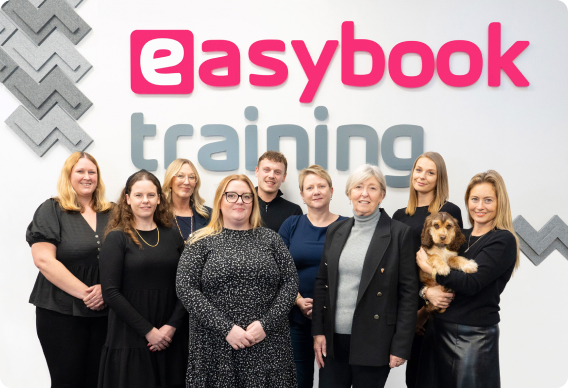
Get in touch
Booking a safety course with Easybook Training couldn't be simpler. We are constantly investing to ensure our online booking system is not only easy to use, but intuitive, so that when you return to book another training course, or add a delegate to an existing booking, this process is as pain free as possible. We're also available seven days a week, and are happy to assist with your enquiry whenever best suits you. As a family-run business we are proud to provide a professional service, with a personal touch; so why not get in touch today.
70,000+ courses
Thousands of courses from hundreds of UK training providers.
UK nationwide
We have venues across the UK, from Aberdeen to Isle of Wight.
No booking fees
We don’t add booking fees, and all major credit cards accepted.
Open 7 days a week
We’re here to help daily, from 8.30am to 7pm.