Find and Book your local courses

EUSR Category 1 & 2 Combined Course

EUSR Category 1 & 2 Combined Course

2 Days CourseClassroom

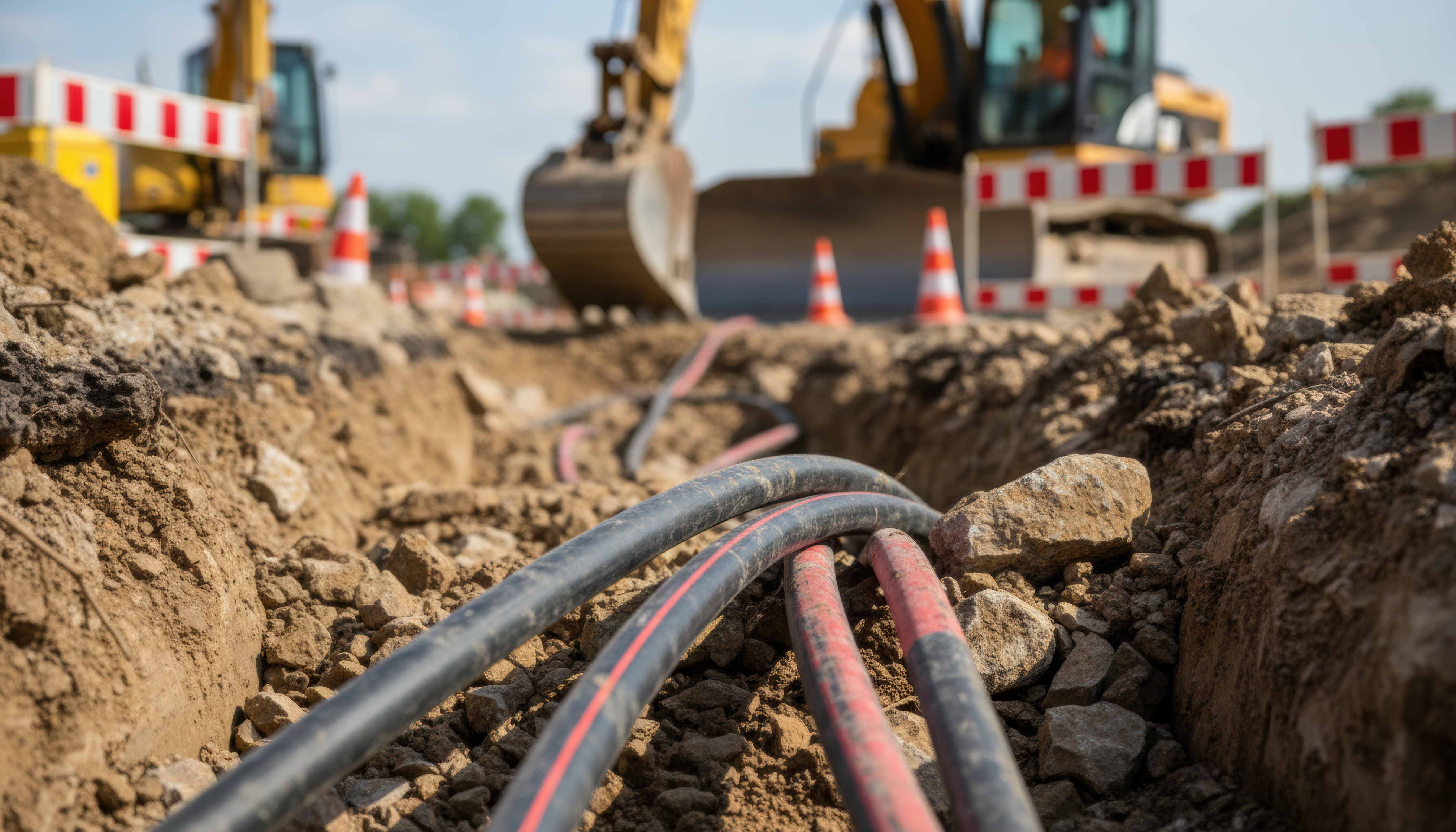
Underground utility networks don't reveal themselves, and getting a detection survey wrong can lead to serious injury, costly damage and lengthy site delays. Once a service has been located safely, poor digging technique can turn a routine job dangerous just as quickly. This two-day EUSR Category 1 & 2 Combined Course brings both stages of the process together, combining the EUSR Category 1 Locate Utility Services Course with the EUSR Category 2 Implementing Safe Excavating Practices Course in a single qualification for anyone whose role covers both detection and excavation.


Also known as HSG47 or Cat & Genny training, this safety-critical course moves well beyond the classroom, combining theory with genuinely practical assessment that meets both EUSR and National Occupational Standards across both categories over the two days. For those wanting a shorter, more focused introduction to detection equipment before committing to the full combined qualification, the CAT & Genny Cable Avoidance Testing Course covers similar ground at a more basic level.


Delegates carrying out risk assessments as part of their detection and excavation work will also find the Risk Assessment Online Course a useful companion, while anyone whose excavation work also involves confined spaces should look at the City & Guilds Confined Space Low Risk (6160-01) Course, since trenches and pits can quickly become confined space environments. Anyone whose site work also involves elevated tasks should keep Working at Height Training in mind too.

By the end of this two-day course, delegates will be familiar with detection equipment and safe methods for locating underground utility services, and will have a good understanding of:


  • The legal requirements of working with underground services, including HSG47, HSWA 1974, HSG150, EUSMUNC06, EUSMUNC07, EUSGNC007, EUSEPUS043 and EUSEPUS044
  • How to interpret utility drawings, including symbols and coded details
  • Line search documents
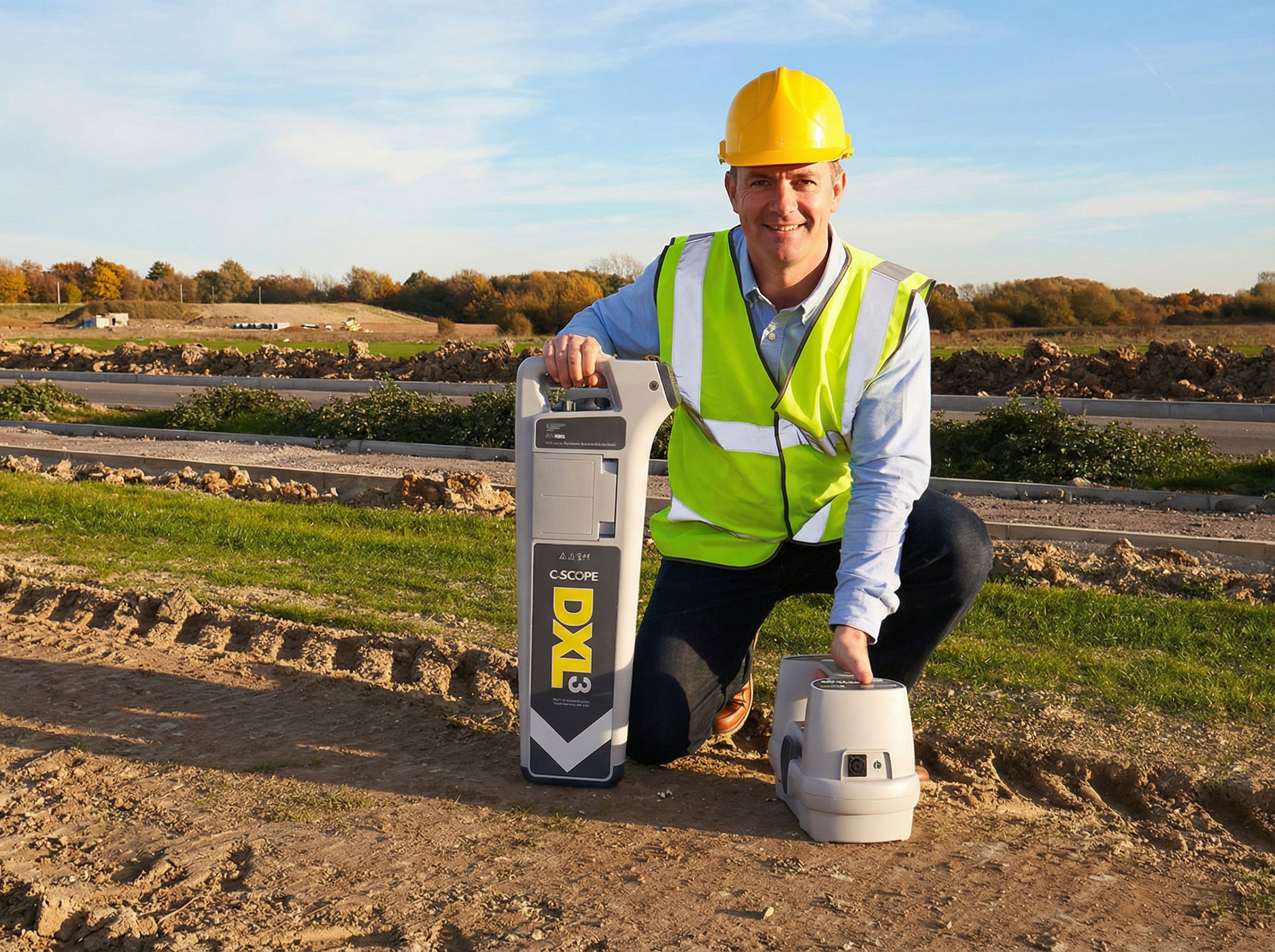
  • Cable location devices (Cat and Genny) and how they're used to locate utility services
  • Ground survey detection and its risks
  • The limitations of underground utility detection equipment and utility drawings
  • Utility strikes, and their cost to contractors, stakeholders and the local community
  • Safety measures required before beginning an excavation, and site marking and location checks
  • Potential dangers and hazards linked to excavation activities
  • Appropriate safe digging methods, including safe hand-digging techniques, when performing and maintaining excavations
  • Various ground and soil types encountered on site
  • Conducting or interpreting Risk Assessments and Permits to Work

This two-day EUSR course will cover the following topics:


  • Recognising and managing hazards: planning work, detecting utilities, and ensuring safe excavation practices
  • BSI PAS 128 standard for underground utility detection, methods and survey requirements
  • GS6 guidelines to prevent risks from overhead power lines
  • NRSWA: a summary of roles and responsibilities for operatives and supervisors working on or near highways
  • Understanding different types of equipment used in utility surveys
  • Safe working procedures, including risk assessments, method statements and permits to break ground
  • Reviewing Cable Avoidance Tools (CATs), Signal Transmitters (Gennys) and relevant accessories
  • Correct application and operation of Cable Avoidance Tools and associated devices
  • A hands-on exercise covering risk assessments, utility map usage and cable avoidance equipment
  • How to interpret utility drawings, including symbols and coded details
  • Identifying best practice and poor digging practice through targeted training
  • Safe hand-digging techniques and safe use of handheld power tools during excavation

Delegates are assessed through a mixture of theory and practical tests across the two days including:


  • Covering health and safety protocol awareness
  • Safe excavation and ground-breaking activities
  • Hazard Recognition
  • Pre-entry Checks
  • Entry Control
  • Communication Techniques
  • Cable Avoidance Equipment use
  • Safe Digging Techniques
  • Emergency Procedures
  • Safe site scanning
  • Post-incident reporting
  • Safeguarding underground infrastructure


Successful candidates are registered on the Energy & Utilities Skills Register and receive an EUSR Smart Photo ID Card covering both categories, valid for three years, with the course needing to be retaken before expiry to remain on the register.

The two-day course suits managers, supervisors and safety professionals working with underground service detection equipment and carrying out excavation work. 


It's equally relevant to anyone overseeing the location of buried services, interpreting utility drawings, or responsible for safe excavation activities as part of their role.

Delegates must have a basic understanding of both spoken and written English to attend the EUSR Category 1 & 2 Combined Course, and must bring a form of photographic identification such as a passport or driving licence.


Delegates must also bring the following PPE for the practical learning and assessment: 

  • a hard hat
  • high-vis jacket
  • safety boots
  • safety goggles
  • steel cap wellies in winter
  • clean clothes and shoes for classroom learning

Loading Feefo reviews…

Easybook Training customer service advisor wearing a headset

Request a callback

Leave your contact details below and we’ll call you back as soon as one of our team becomes available.