Find and Book your local courses
The History of First Aid Training
It's interesting to discover how much the First Aid industry has changed over the past decade or so. Technology today has changed how we train, prepare and apply first aid.
First aid dates all the way back to the 11th Century where first aiders provided care to those injured on the battlefield. These carers would also try to teach pilgrims and knights basic first aid to use on the wounded during a battle. In the 1850's organisations started popping up solely for first aid assistance – The Red Cross was the first organisation, and St Johns Ambulance followed around 20 years later. This began a time of really getting civilians involved in first aid and events were planned for civilians to get some training on first aid.
First aid really began as life saving actions, with so many battles happening, people just needed to stop bleeding or keep limbs from falling off. It was much more brutal when it first emerged and obviously pain medication was not available so it was very much a 'needs, must' action. Training was much less formal – those who were able were sent out onto the battlefields to try and save whoever they could with whatever they could find.
First aid training today is now a legal requirement for businesses, they must ensure there is someone on hand to care for employees should an accident or emergency arise. Today we have masses of resources to teach effective First Aid – there are dummies that help with learning CPR, you can buy fully-stocked first aid boxes and manikins to help with choking training. These resources help businesses provide full and advanced first aid training at every level, whether you are a beginner or want to learn more advanced techniques. You can receive emergency first aid training, first aid training for the work place, paediatric first aid or a first aid refresher course for those who have had previous training.
Back in the 11th Century first aid was recognised as life saving actions, consisting of splinting and purposeful bandaging to stop heavy bleeding. Today first aid can be anything from putting a plaster on a scraped knee, calling '999' for assistance or providing the Heimlich maneuvre. It varies so much in today's society as does the training.
Ask yourself how much training you feel you have, do you think you could do with learning more and are you prepared for an emergency at home or at work? If not, a course in first aid might be just the ticket to gaining further confidence and taking the step in the right direction to becoming a part of the life-saving solution that is first aid.
Get in touch
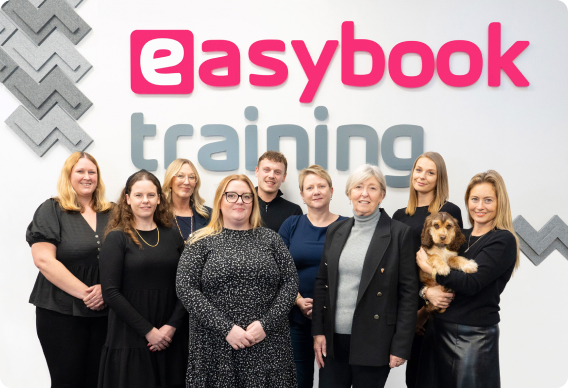
Booking a safety course with Easybook Training couldn't be simpler. We are constantly investing to ensure our online booking system is not only easy to use, but intuitive, so that when you return to book another training course, or add a delegate to an existing booking, this process is as pain free as possible. We're also available seven days a week, and are happy to assist with your enquiry whenever best suits you. As a family-run business we are proud to provide a professional service, with a personal touch; so why not get in touch today.
70,000+ courses
Thousands of courses from hundreds of UK training providers.
UK nationwide
We have venues across the UK, from Aberdeen to Isle of Wight.
No booking fees
We don’t add booking fees, and all major credit cards accepted.
Open 7 days a week
We’re here to help daily, from 8.30am to 7pm.