
Find and Book your local courses
Construction Safety Certifications UK
A Complete Guide to Required Qualifications, Career Progression and Compliance
Construction managers play a critical role in ensuring that projects are delivered safely, efficiently and in line with UK regulations. With increasing pressure on compliance, risk management and site accountability, having the right safety certifications is no longer optional, it is essential.
Whether you are already in a management role or planning to progress into one, understanding which qualifications you need can directly impact your career opportunities, earning potential and ability to work on regulated construction sites.
This guide outlines the key certifications construction managers need in the UK, how they apply to different roles and how to choose the right combination for your career.
Why Safety Certifications Matter for Construction Managers
Construction managers are legally and operationally responsible for:
Site-wide health and safety compliance
Managing workforces and subcontractors
Identifying and mitigating risks
Ensuring adherence to UK legislation
Without the correct certifications, you may:
Be unable to meet employer requirements
Be excluded from major construction projects
Increase the risk of non-compliance on site
Industry Context
The UK construction sector is heavily regulated, with strict guidelines set by the Health and Safety Executive (HSE). Employers and contractors require certified professionals to ensure:
Safe working environments
Reduced accident rates
Compliance with legal obligations
Core Certifications for Construction Managers
Certain qualifications are considered essential for construction managers.
Core Certification Overview
SMSTS (Site Management Safety Training Scheme)
SMSTS is the most widely recognised qualification for construction managers in the UK.
It covers:
Health and safety legislation
Risk assessments and method statements
Site management responsibilities
Accident prevention and control
SMSTS is typically required for:
Site managers
Project managers
Construction managers
Without SMSTS, many employers will not consider candidates for management roles.
NEBOSH (National Examination Board in Occupational Safety and Health)for Construction Certificate
NEBOSH Health and Safety Management for Construction Certificate provides the practical skills and knowledge required to run a construction site, spot common hazards, challenge dangerous behaviour and manage risk.
It focuses on:
Managing health and safety across construction sites
Understanding CDM regulations and legal responsibilities
Identifying risks and applying effective control measures
Construction-specific safety, including excavation, demolition, working at height and mobile plant
NEBOSH is particularly valuable for:
Senior management roles
Health and safety advisors
Larger or more complex projects
NVQ Level 6 Diploma in Construction Site Management
NVQ Level 6 is a work-based qualification designed for experienced construction professionals already operating in site management roles.
You will be assessed on your competence across key areas such as:
Managing health, safety and welfare on site
Planning and coordinating construction activities
Managing teams, subcontractors and site operations
Monitoring progress, quality and performance
Delivering projects in line with programme and requirements
NVQ Level 6 is typically suited to:
Site managers
Construction managers
Project managers responsible for day-to-day site delivery
NVQ Level 7 Diploma in Construction Senior Management
NVQ Level 7 is a work-based qualification designed for senior construction professionals responsible for leading projects, teams and business performance.
You will be assessed on your competence in areas such as:
Leading organisational and project strategy
Managing multiple projects or business functions
Financial planning and commercial management
Leading teams and senior stakeholders
Overseeing high-level compliance and performance
NVQ Level 7 is particularly suited to:
Senior construction managers
Contracts managers
Directors and leadership roles
Additional Certifications That Add Value
Depending on the project type and responsibilities, additional certifications may be required.
Additional Certification Options
Choosing the Right Certifications Based on Your Role
Not all construction managers require the same qualifications. The right combination depends on your level of responsibility.
Certification by Role Level
Understanding Legal and Compliance Requirements
Construction managers must ensure compliance with UK regulations, including:
Health and Safety at Work Act
Construction (Design and Management) Regulations (CDM)
Risk assessment and reporting standards
Certifications help managers:
Understand legal obligations
Implement compliant processes
Reduce risk of penalties or incidents
Why SMSTS Is Considered the Foundation
SMSTS is often viewed as the baseline requirement because it directly relates to:
Site safety management
Legal compliance
Operational oversight
SMSTS vs Other Certifications
How Certifications Impact Career Progression
Having the right qualifications allows construction managers to:
Access higher-level roles
Work on larger or more complex projects
Increase earning potential
Build credibility with employers
Career Impact Overview
Practical Examples
Scenario 1
You manage a construction site and oversee multiple workforces.
Required: SMSTS
Scenario 2
You are moving into a senior management role or specialise in safety.
Recommended: SMSTS + NEBOSH
Scenario 3
You are progressing into management and building your long-term career pathway.
Recommended: SMSTS + progression to NVQ Level 6 or NEBOSH
Key Benefits of Holding the Right Certifications
Professional Benefits
Increased employability
Access to senior roles
Stronger career progression
Operational Benefits
Improved site safety
Better risk management
Stronger compliance
Financial Benefits
Higher earning potential
Access to large-scale projects
Common Mistakes to Avoid
Assuming one qualification is enough for all roles
Ignoring employer requirements
Not planning for career progression
Delaying certification until required
Frequently Asked Questions
Is SMSTS enough to be a construction manager?
In most cases, yes. However, additional qualifications can improve career prospects.
Do I also need NEBOSH?
Not always, but it is valuable for senior roles and specialised positions.
What is the best certification for construction managers?
SMSTS is essential, with NEBOSH or NVQ Level 6 or 7 adding further value depending on your role and career progression.
Can I complete these courses online?
Yes, many providers offer online or virtual options.
How do I choose the right certification?
Base your decision on your role, responsibilities and career goals.
Conclusion
Construction managers must hold the right certifications to ensure compliance, safety and career progression.
SMSTS forms the foundation for site management roles, while additional qualifications such as NEBOSH and NVQ Level 6 or 7 enhance your expertise and support progression into senior roles.
Choosing the right certifications will not only improve your career prospects but also contribute to safer, more efficient construction environments.
Get in touch
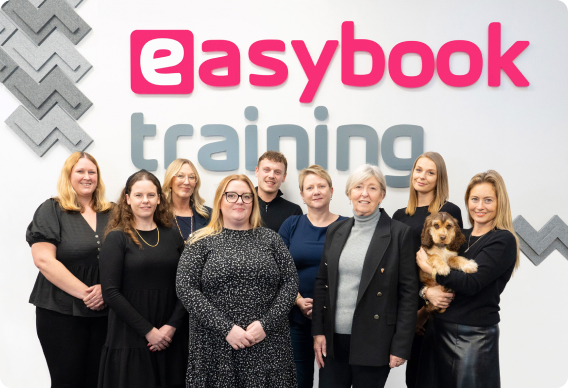
Booking a safety course with Easybook Training couldn't be simpler. We are constantly investing to ensure our online booking system is not only easy to use, but intuitive, so that when you return to book another training course, or add a delegate to an existing booking, this process is as pain free as possible. We're also available seven days a week, and are happy to assist with your enquiry whenever best suits you. As a family-run business we are proud to provide a professional service, with a personal touch; so why not get in touch today.
70,000+ courses
Thousands of courses from hundreds of UK training providers.
UK nationwide
We have venues across the UK, from Aberdeen to Isle of Wight.
No booking fees
We don’t add booking fees, and all major credit cards accepted.
Open 7 days a week
We’re here to help daily, from 8.30am to 7pm.