
Find and Book your local courses
How Training Supports the Construction Skills Shortage
The UK construction industry is facing one of the most serious workforce challenges in its history. Tens of thousands of skilled workers expected to retire over the next decade, and too few trained replacements are entering the sector. The construction skills shortage is not a future problem, it’s already affecting project timelines, tender costs and site safety today.
For site managers, HR teams and training decision-makers, understanding the scale of this challenge, and what can be done about it, is increasingly important. Structured training programmes are one of the most effective tools available for closing the gap.
What Is the Construction Skills Shortage?
The construction skills shortage refers to the growing imbalance between the number of skilled workers the industry needs and the qualified people available to fill those roles. According to CITB Construction Skills Network, the UK will need an additional 225 000 construction workers by 2027 to meet projected demand.
The shortage is most acute in specialist and supervisory roles. The following table shows where the gap is most severe and which qualifications are most directly linked to those roles:
The problem is compounded by an ageing workforce, reduced apprenticeship uptake during the COVID-19 period, and increasing demand driven by the UK government housing and infrastructure targets.
Why Training Is the Most Immediate Response
While recruitment from overseas and apprenticeship expansion are longer-term solutions, targeted training investment is the most immediate way for construction businesses to address the skills gap within their existing workforce.
1. Upskilling Existing Workers Faster
Rather than waiting to hire externally, many companies are investing in structured training that allows existing workers to step into more senior or specialist roles. A labourer with the right foundation can become a qualified plant operator through CPCS or NPORS training. A site supervisor can progress to site manager level by completing the CITB SMSTS course.
2. Reducing Dependence on Subcontractors
Skills shortages often push companies to rely heavily on subcontractors for specialist roles, which increases project costs and reduces control over quality and compliance. Building in-house capability through accredited training reduces that dependence over time.
3. Meeting Health and Safety Compliance Requirements
As the workforce becomes more stretched, the risk of incidents rises if people are placed in roles they are not fully trained for. CITB-approved qualifications ensure workers at every level have the legal and practical knowledge they need to operate safely and that the business can demonstrate compliance to clients and principal contractors.
4. Attracting and Retaining Talent
Companies that invest in structured training programmes are better placed to attract ambitious workers and retain the ones they have. When employees can see a clear progression route, from operative to supervisor to manager, supported by accredited qualifications, they are more likely to stay. In a sector where labour turnover is persistent, training investment pays for itself in reduced recruitment costs.
Which Qualifications Address the Gap Most Directly?
The qualifications that most directly address the construction skills shortage are those tied to supervisory roles, specialist plant operations and health and safety compliance - the areas where the shortage is most severe.
The Business Case for Training Investment
Construction companies that treat training as an overhead are missing the bigger picture. Structured workforce development has measurable business benefits:
Reduced recruitment costs through internal promotion
Lower accident rates and associated liability costs
Improved contract eligibility through certified workforce compliance
Higher tender win rates on projects with strict training requirements
Better employee retention and morale
CITB levy-registered employers can also access grant funding for many accredited training programmes, reducing the net cost significantly. The grant amounts vary by qualification. Contact your training provider or the CITB directly for current rates.
How to Get Started
Addressing the skills shortage within your business starts with a clear picture of where the gaps are. A structured training needs analysis. This means looking at current qualifications, upcoming project requirements and workforce demographics. It allows you to prioritise investment where it will have the most impact.
From there, booking accredited training through Easybook Training gives access to a wide range of CITB, CPCS, NPORS, ECITB and other qualifications delivered by approved UK training providers, with flexible dates and locations to fit around live projects.
Key Takeaways
The UK construction industry needs 225 000 additional workers by 2027 - the skills gap is real and growing
Supervisory, plant operator and health and safety roles are the most acutely affected
Upskilling existing workers through accredited training is the fastest and most cost-effective response
SMSTS, SSSTS, NVQs and CPCS/NPORS are the qualifications most directly linked to the shortage areas
CITB grant funding can offset the cost of training for levy-registered employers
Training investment reduces recruitment costs, improves retention and strengthens contract eligibility
Frequently Asked Questions
What is causing the construction skills shortage in the UK?
The shortage is the result of multiple factors: an ageing workforce with high retirement rates, insufficient numbers of new entrants through apprenticeships, increased construction demand from government infrastructure programmes, and the disruption to training pipelines caused by COVID-19.
Which construction roles are most affected?
Site managers, plant operators, scaffolders, NVQ-qualified tradespeople and health and safety professionals are among the most in-demand, particularly those holding accredited qualifications such as SMSTS, CPCS or NEBOSH.
Can training alone solve the construction skills shortage?
Training is the most immediate and practical lever available to individual businesses, but the wider shortage requires a systemic response including increased apprenticeship provision, improved industry perception among school leavers and coordinated government investment in workforce development.
Is CITB funding available for construction training?
Yes. CITB levy-registered employers can claim grants for a wide range of accredited training programmes, including SMSTS, SSSTS, CSCS-related NVQs and health and safety courses. Visit the CITB website or speak to your training provider for current grant rates.
Conclusion
The construction skills shortage is the defining workforce challenge of the next decade for the UK industry. It will not be solved by any single intervention, but structured, accredited training is the most immediate and controllable response available to construction businesses right now.
Companies that invest in upskilling their existing workforce - through SMSTS, SSSTS, NVQs, CPCS and NPORS - are better positioned to retain talent, win contracts and manage site safety compliance. Those that do not will find the gap between demand and capability increasingly difficult and expensive to close.
Browse accredited construction training courses at Easybook Training and find the right qualifications for your team.
Get in touch
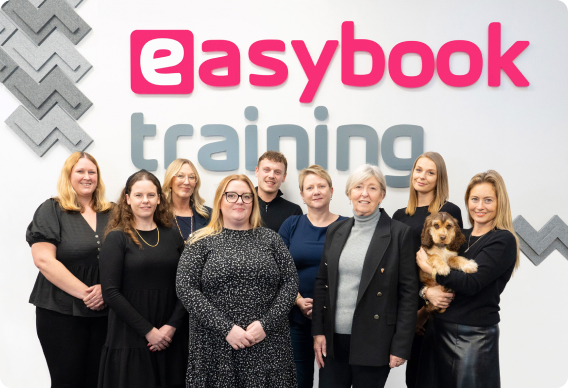
Booking a safety course with Easybook Training couldn't be simpler. We are constantly investing to ensure our online booking system is not only easy to use, but intuitive, so that when you return to book another training course, or add a delegate to an existing booking, this process is as pain free as possible. We're also available seven days a week, and are happy to assist with your enquiry whenever best suits you. As a family-run business we are proud to provide a professional service, with a personal touch; so why not get in touch today.
70,000+ courses
Thousands of courses from hundreds of UK training providers.
UK nationwide
We have venues across the UK, from Aberdeen to Isle of Wight.
No booking fees
We don’t add booking fees, and all major credit cards accepted.
Open 7 days a week
We’re here to help daily, from 8.30am to 7pm.