Find and Book your local courses
Work Related Ill Heath Rates on the Rampant Increase
Although for some time now we have seen increasingly positive signs in the improvement of workplace health and safety conditions, this is changing once again. 2015-16 saw a massive increase of nearly 9% in work-related health problems – the highest it has been since 2008-09. According to the Executive of Health and Safety, the largest increase came in the education sector.
These chilling new numbers show that nearly 3m working days were lost collectively across the United Kingdom in 2015-16 compared to 2014-15. One of the worst affected outsides of education was the building sector, plagued by an increase of 8,000 lost work days in the last recorded year. This increase shows a massive problem for the industry – but it has become an epidemic across many UK industries.
More worryingly, two-thirds of construction workers who said they had an illness during 2015–16 had suffered from musculoskeletal disorders. This shows a direct correlation between the job and illness, which is not a good sign. Musculoskeletal injuries made up around 41% of the HSE count, while stress, depression and anxiety made up 37%.
So, as it stands, we have the knowledge that workers in the UK are either overstressed physically or stretched mentally. While serious injuries are down by a mere 4 per 100,000 (139 from 143) the increase in general illness has shot up across the board in the industry. In fact, all industries are beginning to see an increasingly dangerous precedent. 2015-16 showed that around 4,050 workers would lose time to ill health per 100,000 – the highest value in over five years.
Indeed, in a time of economic strife post-Brexit, the massive amounts of people out of work due to ill health is hampering the economy. This was the highest number of individuals spending time off work sick since 2007-08. A steady increase in people suffering from a work-related illness has been seen, with close to 5m extra lost work days since 2010-11.
An Increasing Trend
One of the few industries to see a similar increase, was the manufacturing industry. This has now seen around 13,500 injuries as a static, floating figure for the last two years. Also, seven-day injuries have declined.
The worst performing industry out of the group was education, where the rate of illness was increasing more than any other location. This saw a skyrocket of more than 800 more workers, from 2,370 illnesses per 100,000 to 4,070. This kind of growth in workplace quality (or lack of) cannot continue, and changes must be made to try and alter this problem
Stress and anxiety is up 50% in schools. As more demands continue to be put on professionals, it is becoming increasingly challenging for workplaces to both meet the needs of staff and customers, creating a situation where both parties risk losing out.
Get in touch
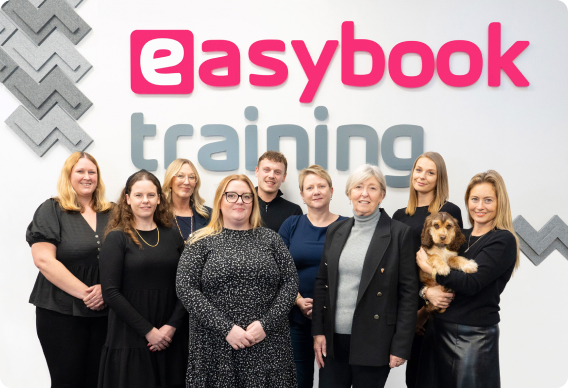
Booking a safety course with Easybook Training couldn't be simpler. We are constantly investing to ensure our online booking system is not only easy to use, but intuitive, so that when you return to book another training course, or add a delegate to an existing booking, this process is as pain free as possible. We're also available seven days a week, and are happy to assist with your enquiry whenever best suits you. As a family-run business we are proud to provide a professional service, with a personal touch; so why not get in touch today.
70,000+ courses
Thousands of courses from hundreds of UK training providers.
UK nationwide
We have venues across the UK, from Aberdeen to Isle of Wight.
No booking fees
We don’t add booking fees, and all major credit cards accepted.
Open 7 days a week
We’re here to help daily, from 8.30am to 7pm.