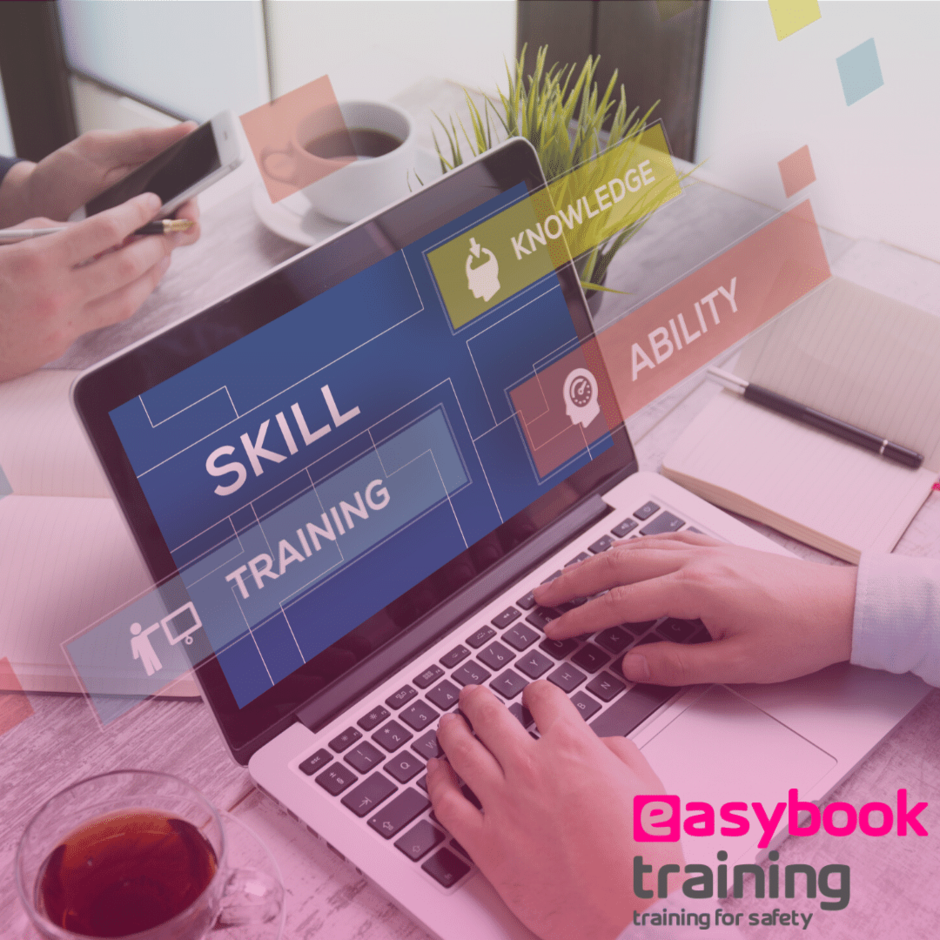
Find and Book your local courses
The Benefits of Soft Skills Training for your Workforce
Hard skills are usually at the top of the hiring requirements for most organisations. Most employers will search for skills that are very particular to the job, and the experience or training needed to execute the job correctly.
Although the importance of training, job experience and relevant education cannot be diminished, tangible abilities like soft skills need to be considered too. Employees need to be capable of working together as a team for both the business and their success.
What are soft skills?
Soft skills define who people are not their professional position. They portray your approach to work and life. In short, they are interpersonal skills engraved to your personality, and they control how you relate with others in the work environment. Notably, soft skills are communication abilities, personality and people skills that the workforce requires for the organisation's long term success. In all jobs, employees need to relate with others, either within or outside of the business, which makes these skills unignorable.
Soft skills vs hard skills
We've discussed already how soft skills are more to do with personality rather than being based on work experience or qualifications. It contains social skills, people skills, interpersonal skills, transferable skills and character trait.
On the other hand, hard skills are job-specific and more technical. The workforce hard skills come from work experience, training, certifications and education. These skills are measurable, can be taught and have the ability to be tested through practical assignments and exams.
Unlike hard skills, soft skills are difficult to evaluate/measure and are harder to develop. Let's use a course instructor example to determine what typical hard and soft skills are needed for this role.
Instructor's hard skills:
- Thorough knowledge of curriculum
- Developing lesson plans
- Developing education strategies
- Grading learner work, exams, and so on
- Using appropriate technology
Instructor's soft skills:
- Communication
- Problem-solving
- Critical thinking
- Organisation
- Leadership
Soft skills examples
Undoubtedly, hard skills are vital. For employees to perform, they must have them. Research has, however, shown that soft skills made up 90% of what makes people grow successful.
Let's look closely at some highly sought after soft skills for any workforce.
- Communication skills
- Time management
- Customer care
- Self-motivation
- Teamwork
- Creativity
- Organisation
- Flexibility
- Conflict resolution
- Positivity
- Leadership
- Problem-solving
- Critical observation
Why you should care about soft skills
Soft skills are becoming highly sought-after, with several organisations giving them their deserved credit. They provide you with a satisfied and confident workforce that will suffice your organisation. Most employers think that the most basic soft skills are standard when it comes to their employees, but this is not always true. It is naïve to assume that your staff know how to perform in non-technical situations in the workplace. It is same as assuming your employees' personalities are the same.
Jeff Weiner, the CEO of LinkedIn, considers soft skills to be the most significant skills gap in the US. You may find some elements in your business lacking when your workforce is blessed with hard skills but famished in soft skills. For example, if your employees are skilled in wooing customers but fail at retaining them, hence you have a soft skills gap. Luckily, you can solve that with the right soft skills training.
Benefits of soft skills training courses
In 2018, LinkedIn took a study across 100 of United States metropolitan cities and found a whopping 1.4million people with soft skills communication shortages. Since communication and similar soft skills can cause high growth in your organisation, then training your staff in these critical skills is wise.
There are various options for delivering this training to your workforce. You can reserve a whole course uniquely for soft skills while integrating a new employee, or you could add a section of soft skills to your current course contents. You will see several benefits by investing in soft skills training of your workforce, including:
More effective communication
Your staff will be capable of communicating with clients/customers and with each other more effectively. You will be armouring them with the skills to represent themselves more clearly, tackle and listen to tricky conversations.
Stronger leadership
Your staff will learn to delegate when needed, provide and accept feedback, be responsible and motivate themselves in reaching their full goals.
Improved problem solving
Staff will be capable of proactively recognising challenges, and potential difficulties to tasks, goals and projects. Plus, they'll be able to pinpoint and implement fixes or provide alternative solutions.
Enhanced creative and critical thinking
Providing soft skills training makes your employees brainstorm outside the box both critically and creatively. Using these techniques, they will be able to analyse their options, make wise decisions, thus increasing the probability of getting the desired goals.
Better teamwork, efficiency, and productivity
Soft skills strengthen your workforce to join heads and work together to meet the organisation's objectives and goals jointly. Consequentially this leads to an increase in efficiency and peak productivity.
As the focus on soft skills is gaining substantial grounds, hard skills should not be relegated to the background. They're both critical. Here at Easybook Training, we have a whole portfolio of soft skill courses to help you and your team reach for the stars. To find out more visit our Soft Skills Course page here.
Get in touch
Booking a safety course with Easybook Training couldn't be simpler. We are constantly investing to ensure our online booking system is not only easy to use, but intuitive, so that when you return to book another training course, or add a delegate to an existing booking, this process is as pain free as possible. We're also available seven days a week, and are happy to assist with your enquiry whenever best suits you. As a family-run business we are proud to provide a professional service, with a personal touch; so why not get in touch today.
70,000+ courses
Thousands of courses from hundreds of UK training providers.
UK nationwide
We have venues across the UK, from Aberdeen to Isle of Wight.
No booking fees
We don’t add booking fees, and all major credit cards accepted.
Open 7 days a week
We’re here to help daily, from 8.30am to 7pm.